Article
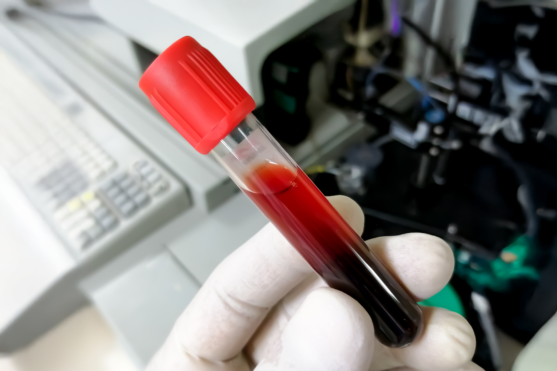
Can Improper Centrifugation Invalidate Test Results?
Yes, and it happens more often than most laboratories recognize. Centrifugation sits at the boundary between specimen collection and analysis, which means errors there are classified as preanalytical and are often invisible by the time a result leaves the laboratory. The sample looks processed. The analyzer ran. The number printed. But if the centrifuge step […]
Read More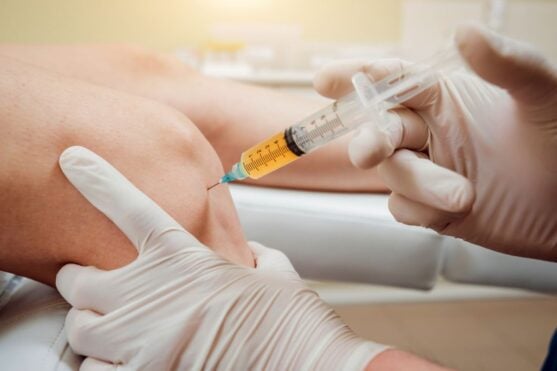
PRP, PRF, and Exosomes: Where Centrifugation Fits in the Future of Regenerative Medicine
Regenerative medicine is moving fast, and the terminology is moving faster. In this article, we take a look at where PRP, PRF, and exosomes stand, and why the centrifuge remains the critical variable as protocols become more exacting. TLDR PRP and PRF are both prepared by centrifuging a patient’s own blood; the key differences are […]
Read More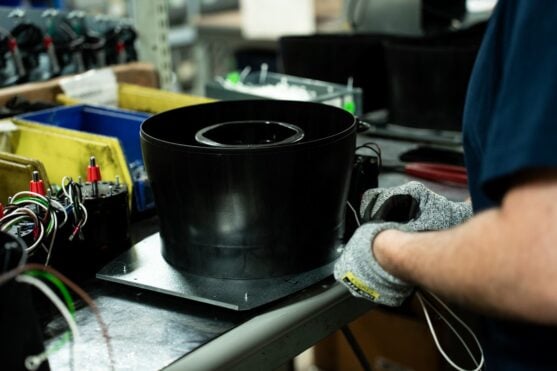
The Centrifuge Experts: Why Depth of Focus Matters in Medical Equipment
When a lab needs a centrifuge, there’s no shortage of options. Many equipment manufacturers offer centrifuges as part of a broader catalog alongside incubators, analyzers, refrigeration equipment, and more. Initially that breadth can seem like an advantage, but for the laboratories and healthcare professionals who depend on these instruments every day, there’s a compelling case […]
Read More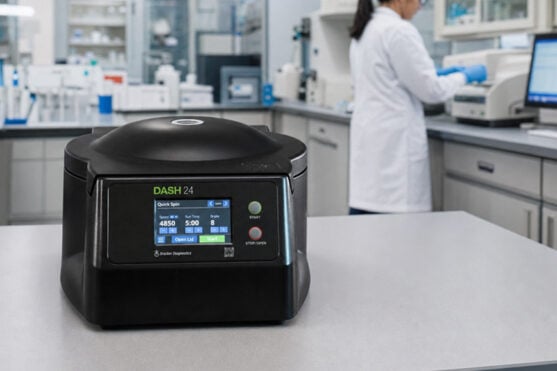
How to Use the DASH 24 Centrifuge: A Guide to Clinical and Research Applications
If your lab is using multiple centrifuge models to manage all of your applications, you’re dealing with the operational overhead that comes with it: separate validation records and SOPs, rotor inventories, and competency requirements for every operator on every model. The all-new DASH 24 STAT centrifuge offers a solution. With a 24-tube capacity, maximum speed […]
Read More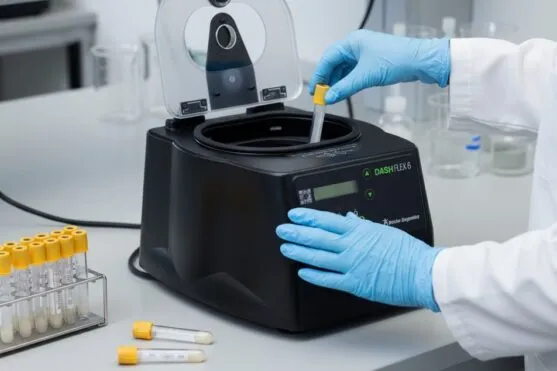
Don’t Get Caught Without Support: Why Labs Are Trading In Unsupported Centrifuges
Equipment reliability starts with manufacturer support. Without it, labs lose access to replacement parts, technical expertise, and the responsive service that prevents minor issues from becoming major disruptions. As support phases out for aging centrifuges, clinical labs and veterinary practices face a choice: continue managing equipment with dwindling resources, or upgrade to a manufacturer committed […]
Read More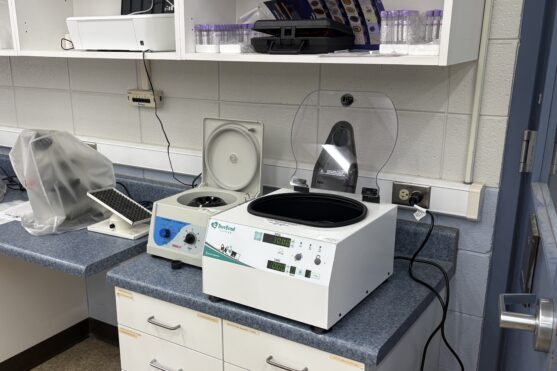
How Tri-County Technical College is Training Future Veterinary Professionals with the TrueBond TriFLEX
For over 45 years, Tri-County Technical College (TCTC) in Pendleton, South Carolina, has been preparing students for rewarding careers in veterinary technology. As the 20th oldest Veterinary Technology program in the nation, TCTC has earned a reputation for excellence, maintaining full accreditation since 1979 and achieving a remarkable 100% VTNE pass rate in 2025 (more […]
Read More
How Centrifuge Reliability Affects Lab Turnaround Time
Turnaround time is one of the most closely watched metrics in clinical laboratory operations. When results are delayed, clinical decisions wait. And while labs often focus on analyzer throughput or staffing to tighten TAT, the centrifuge is frequently the bottleneck. Equipment that runs inconsistently, requires frequent repairs, or forces re-runs doesn’t just slow things down. […]
Read More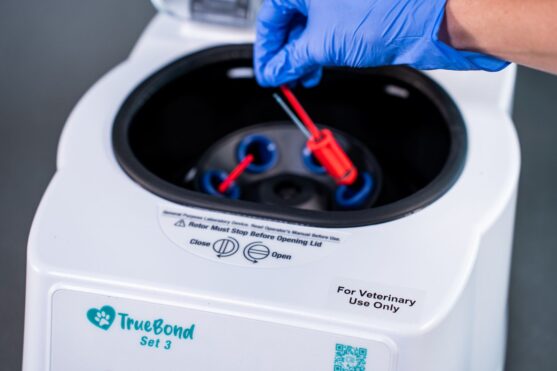
TrueBond vs. LW Scientific E8: Side-by-Side Comparison for Veterinary Labs
If you’re comparing veterinary centrifuges and the LW Scientific E8 is on your shortlist, here’s how it stacks up against TrueBond. The E8 comes in two relevant configurations: Combination Variable Speed and Combination Touch, each with a direct TrueBond counterpart worth evaluating side by side. TLDR Both TrueBond models reach higher max speeds than either […]
Read More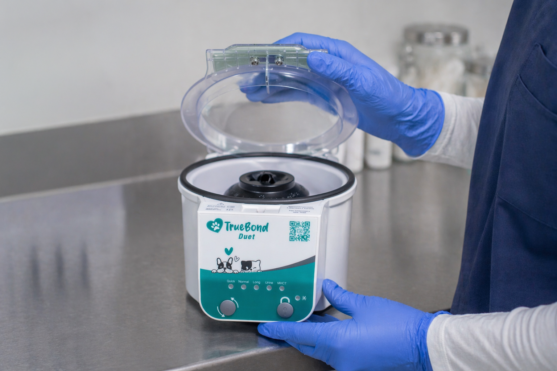
TrueBond Duet vs. StatSpin VT: Which Veterinary Centrifuge Is Right for Your Practice?
If your clinic is evaluating compact, high-speed centrifuges for blood work, hematocrit readings, and urine sediment, the TrueBond Duet and Beckman Coulter StatSpin VT are closely matched on paper. Same speed ceiling. Same rotor configuration. Same number of preset cycles. The differences that matter are in warranty, support, and what happens after the sale. TLDR […]
Read More