
Clinical Lab

Replacing the Discontinued Drucker 853VES with the DASH 12
The Model 853VES has become a reliable part of many routine laboratory workflows, but with the model now discontinued, it might be time to consider a replacement. Drucker Diagnostics’ DASH 12 STAT centrifuge provides a familiar starting point, with added speed and RCF capabilities. For 853VES units equipped with either 12-place horizontal rotor, the DASH […]
Read More
What to Know When Replacing an 853VES 20-Place Rotor
When a laboratory’s 853VES reaches the end of its service life, replacing it is an opportunity to look at which parts of the existing workflow need to stay the same and which can change. For labs using the 20-place fixed-angle rotor, the right replacement depends on factors such as tube size, capacity, required RCF, and […]
Read More
Replacing the Drucker 853VES 6-Place 50 mL Rotor with the HORIZON 24
The Model 853VES has been a familiar part of many laboratory workflows, but with the model now discontinued, laboratories using the 6-place 50 mL fixed-angle rotor may be considering what to use next. The HORIZON 24 provides a current option for this setup, maintaining the 6 × 50 mL capacity and 2,000 xg maximum RCF […]
Read More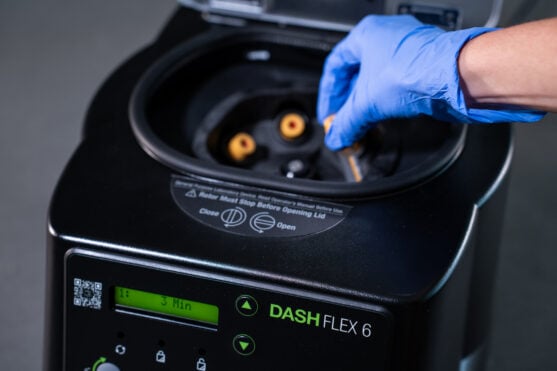
Replacing the StatSpin® Express 4 with the DASH Flex 6
StatSpin products are no longer available for purchase, and manufacturer support for them is being phased out. Clinical labs still operating a StatSpin® Express 4 will need to find a replacement before their current unit reaches end of service. Continuing to run unsupported equipment increases the risk of unavailable parts and repair delays that can […]
Read More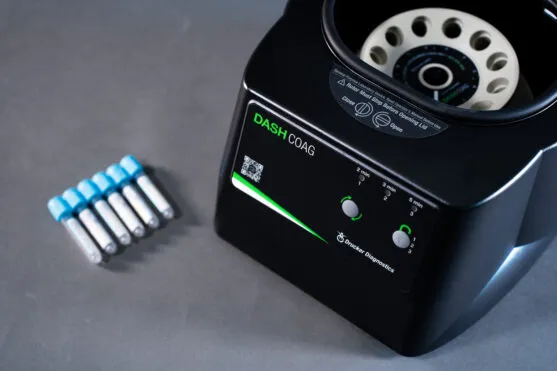
Replacing the StatSpin® Express 3 with the DASH Coag
Labs that rely on a StatSpin Express 3 for coagulation testing are using a centrifuge that can no longer be purchased or supported. As parts become more difficult to source and manufacturer support is phased out, the chance of extended downtime increases, along with the delays that follow when a STAT unit is out of […]
Read More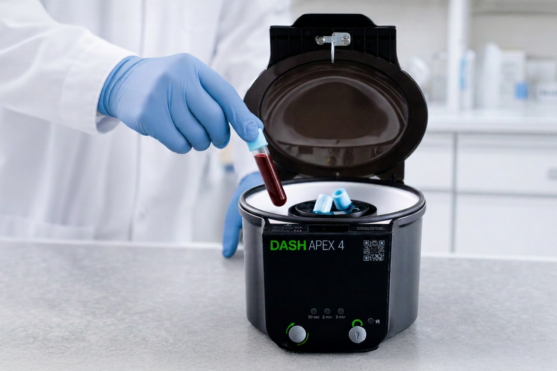
Replacing the StatSpin® Express 2 with the DASH Apex 4
StatSpin products are no longer available for purchase, which means clinical labs still operating a StatSpin® Express 2 will need to find a replacement before their current unit reaches end of service. Continuing to operate an unsupported centrifuge increases the risk of unexpected repairs, unavailable parts, or workflow disruptions that can affect sample processing and […]
Read More
Why Your Centrifuge Warranty Matters
When comparing laboratory centrifuges, it’s natural to focus on features like capacity, speed, tube compatibility, and cycle times. Those specifications help determine whether a centrifuge can support your workflow, but they’re only part of the picture. A warranty is worth evaluating just as carefully. It provides peace of mind if something goes wrong and offers […]
Read More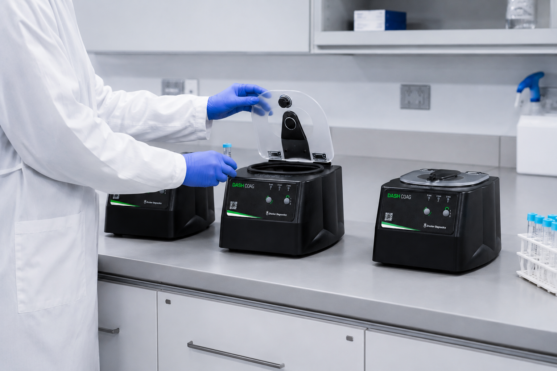
Optimize Your Coagulation Workflow with the Right Centrifuge Setup
Purchasing a new coagulation analyzer? Consider pairing it with a centrifuge array to streamline your workflow right from the start. The correct setup can significantly reduce turnaround times, eliminate manual batching, and keep specimens moving even during peak volume periods. At Drucker Diagnostics, we’ve designed our centrifuges specifically for coagulation workflows. Here’s how to find […]
Read More
Does Centrifuging Cause Hemolysis? What the Evidence Shows
Hemolysis is one of the top reasons clinical specimens get rejected. Most labs assume the centrifuge is the reason why, but a single, properly run spin adds only a small amount of free hemoglobin to a specimen—far below the level at which a sample gets flagged as hemolyzed. Most hemolysis is set in motion before […]
Read More