
Clinical Lab
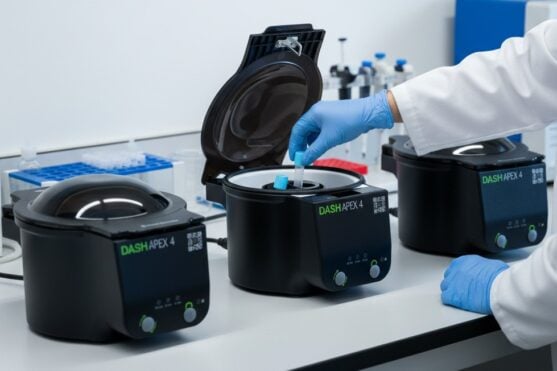
6 Ways to Cut Your Lab’s Turnaround Time by 20+ Minutes
Turnaround time (TAT) is one of the clearest measures of a lab’s performance, and it’s one of the first things clinicians notice when results are slow to arrive. Every minute a sample spends waiting is a minute a physician spends without the information they need to make a decision. For STAT samples coming out of […]
Read More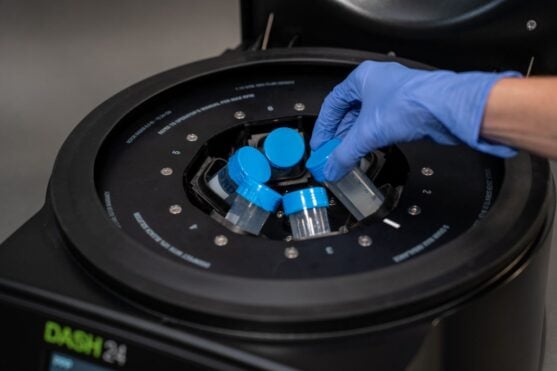
Drucker vs. the Competition: What Sets the DASH 24 Apart From Other High-Capacity Centrifuges
When a clinical lab evaluates a new 24-place centrifuge, the spec sheet is only part of the picture. Maximum speed matters, and so does the range of tubes a single centrifuge can spin, what comes in the box, and the service team behind it. This guide compares the Drucker Diagnostics all-new DASH 24 with three […]
Read More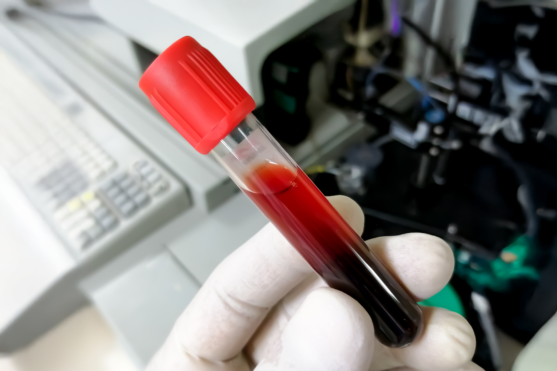
Can Improper Centrifugation Invalidate Test Results?
Yes, and it happens more often than most laboratories recognize. Centrifugation sits at the boundary between specimen collection and analysis, which means errors there are classified as preanalytical and are often invisible by the time a result leaves the laboratory. The sample looks processed. The analyzer ran. The number printed. But if the centrifuge step […]
Read More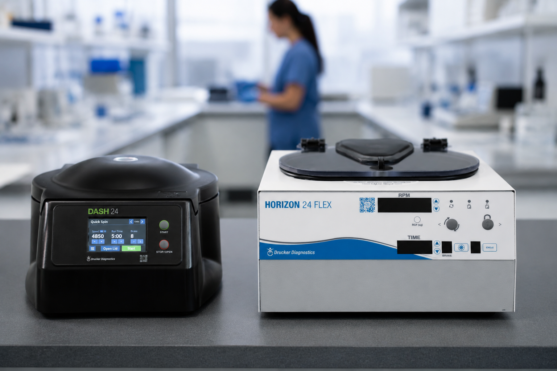
Which Drucker Diagnostics 24-Place Centrifuge is Right For Your Lab?
Drucker Diagnostics offers a 24-place centrifuge for clinical labs that need to process high sample volumes in a compact footprint. With the DASH Flex 24 now discontinued, the two current options are the all-new DASH 24 STAT centrifuge and the HORIZON 24 FLEX routine centrifuge. While all three spin samples using a horizontal rotor, they […]
Read More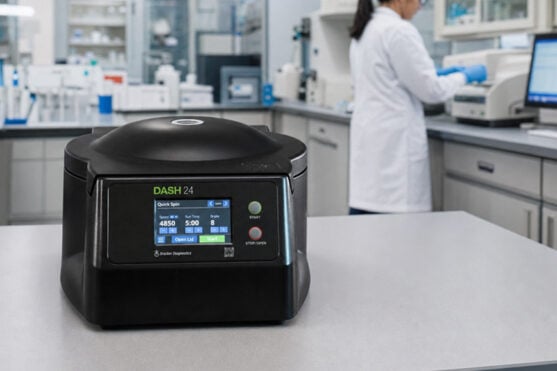
How to Use the DASH 24 Centrifuge: A Guide to Clinical and Research Applications
If your lab is using multiple centrifuge models to manage all of your applications, you’re dealing with the operational overhead that comes with it: separate validation records and SOPs, rotor inventories, and competency requirements for every operator on every model. The all-new DASH 24 STAT centrifuge offers a solution. With a 24-tube capacity, maximum speed […]
Read More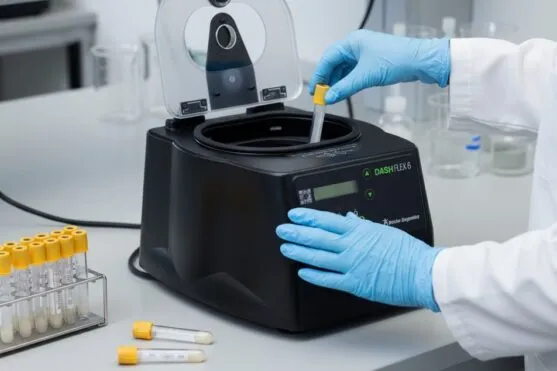
Don’t Get Caught Without Support: Why Labs Are Trading In Unsupported Centrifuges
Equipment reliability starts with manufacturer support. Without it, labs lose access to replacement parts, technical expertise, and the responsive service that prevents minor issues from becoming major disruptions. As support phases out for aging centrifuges, clinical labs and veterinary practices face a choice: continue managing equipment with dwindling resources, or upgrade to a manufacturer committed […]
Read More
How Centrifuge Reliability Affects Lab Turnaround Time
Turnaround time is one of the most closely watched metrics in clinical laboratory operations. When results are delayed, clinical decisions wait. And while labs often focus on analyzer throughput or staffing to tighten TAT, the centrifuge is frequently the bottleneck. Equipment that runs inconsistently, requires frequent repairs, or forces re-runs doesn’t just slow things down. […]
Read More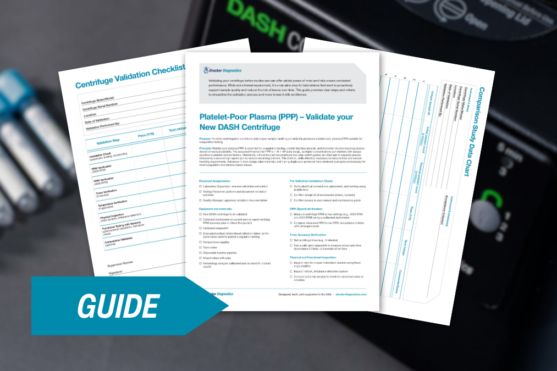
Platelet-Poor Plasma (PPP): Validate Your New DASH Centrifuge
This study compares two centrifuges, the Drucker Diagnostics DASH-4 and Beckman Coulter StatSpin® Express 2, for preparing platelet-poor plasma (PPP), which is essential for accurate diagnostic testing. Centrifugation is a critical step in stabilizing blood samples, and the quality of PPP directly impacts diagnostic accuracy.
Read More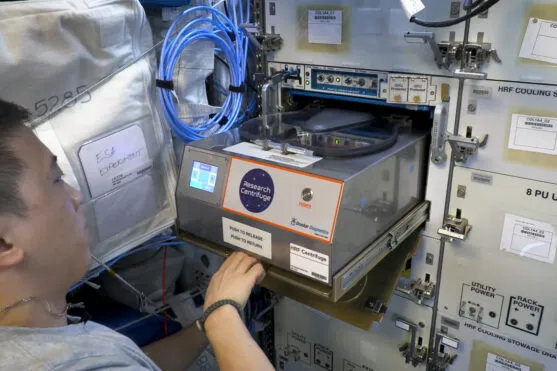
How Drucker Helped Bring Centrifugation to the International Space Station
In April 2018, a custom-built Drucker Diagnostics centrifuge left Earth on SpaceX-14 and docked with the International Space Station. Nearly seven years later, it continues to support NASA’s human research mission in orbit. A Custom Build for a Unique Mission Drucker’s relationship with NASA’s Johnson Space Center goes back over a decade, when the two […]
Read More