
Clinical Lab
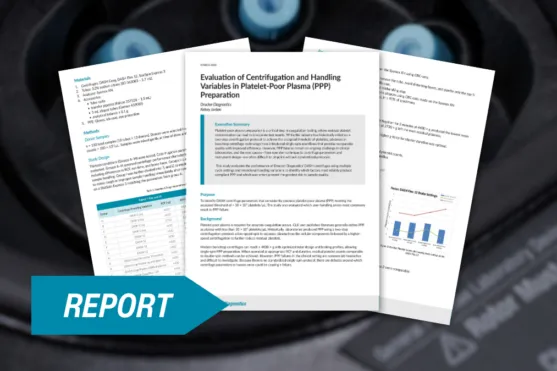
Evaluation of Centrifugation and Handling Variables in Platelet-Poor Plasma (PPP) Preparation
This study compares two centrifuges, the Drucker Diagnostics DASH-4 and Beckman Coulter StatSpin® Express 2, for preparing platelet-poor plasma (PPP), which is essential for accurate diagnostic testing. Centrifugation is a critical step in stabilizing blood samples, and the quality of PPP directly impacts diagnostic accuracy.
Read More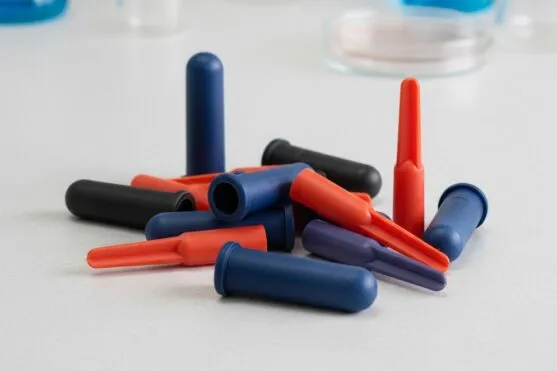
What Centrifuge Accessories Do I Need—And When Should I Replace Them?
Centrifuge accessories don’t get much attention until something goes wrong. But carriers, adapters, inserts, and rotors are the components that actually hold your samples during centrifugation—and worn or mismatched accessories are one of the most common causes of tube breakage, poor separation, and unnecessary vibration. This guide walks through each accessory category so you know […]
Read More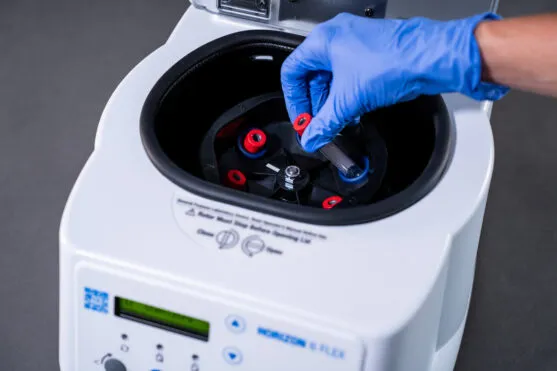
How to Balance a Centrifuge Correctly
Balancing a centrifuge protects your samples, staff, and equipment. Poorly balanced loads create vibration, noise, and mechanical stress that turn routine runs into safety and quality problems. This guide provides a precise, repeatable process for clinical labs, veterinary practices, and regenerative medicine clinics. TLDR Summary: Inspect rotor and tubes before every run for damage or […]
Read More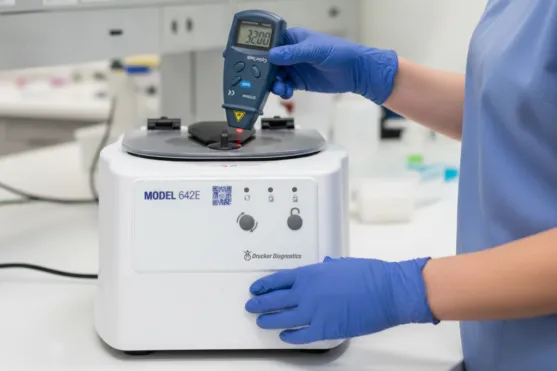
How Unreliable Centrifuges Kill Lab Throughput (And How to Fix It)
A well-functioning centrifuge runs quietly in the background, letting your team focus on patient care and higher-value work. But when it becomes unreliable, it transforms from an asset into a bottleneck that cascades through your entire operation. Quick Answer: How Does an Unreliable Centrifuge Impact Throughput? Unreliable centrifuges reduce lab throughput by forcing sample reruns, […]
Read More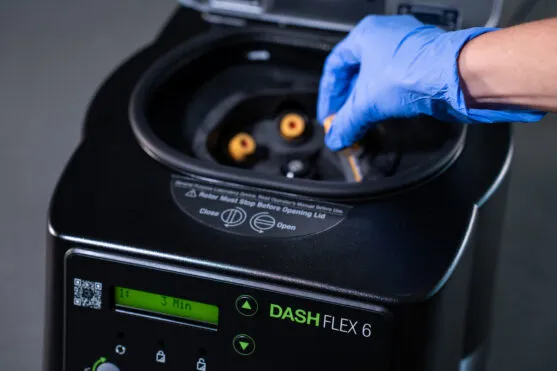
What to Do with Old Centrifuges: Disposal, Trade-In, and Replacement Options
Retiring lab centrifuges responsibly protects the environment while recovering equipment value. Proper handling prevents functional equipment from reaching landfills, recovers valuable materials through recycling, and ensures compliance with biosafety regulations. TLDR: Decontaminate and certify before any disposal or sale Specialized recyclers handle non-functional units and recover materials Plan replacement before failure to avoid workflow disruption […]
Read More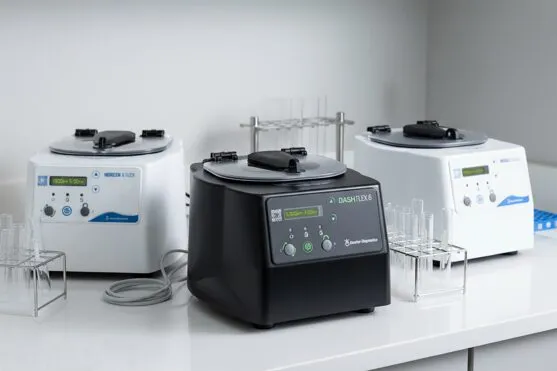
Types of Laboratory Centrifuges Explained
Lab managers and technicians often face confusion when selecting centrifuges because manufacturers classify them differently—some by speed, others by size, and still others by application. Understanding these classification systems helps you choose the right centrifuge for your specific lab workflow. TLDR: Laboratory centrifuges are classified by speed (low-speed up to 5,000 RPM, high-speed 15,000-30,000 RPM, […]
Read More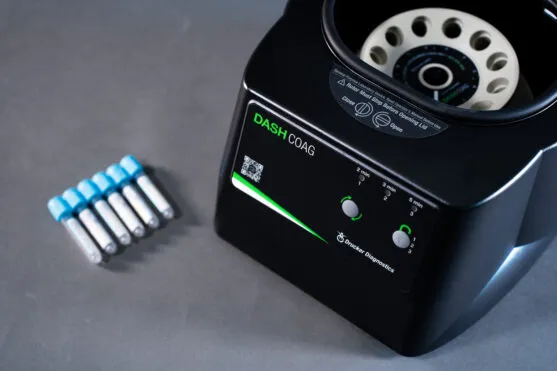
How Centrifugation Impacts Coagulation Testing
Coagulation tests guide critical decisions about bleeding disorders, anticoagulant dosing, and surgical risk. The accuracy of PT, APTT, and fibrinogen measurements depends on proper sample preparation, and centrifugation is the step where most errors occur. This guide explains how centrifugation variables affect coagulation results and which protocols deliver reliable outcomes. TLDR Why does centrifugation matter […]
Read More
What’s the Best-Selling Centrifuge for Hospital Labs? Top Clinical Models Compared
Quick Answer The Drucker Diagnostics 642E is the world’s best-selling clinical centrifuge, trusted for over 30 years due to exceptional durability and simplicity. However, the “best” choice depends on your workflow—routine processing, STAT testing, or high-throughput needs each favor different models. TLDR: Top Hospital Lab Centrifuges Best for Routine Clinical Work: Drucker Diagnostics 642E Best […]
Read More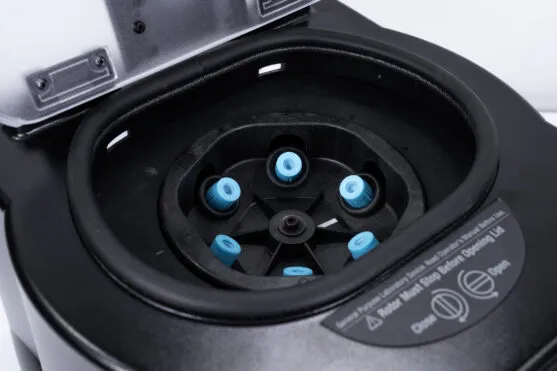
How Many Centrifuges Does Your Lab Need? A Capacity Planning Guide
When planning laboratory capacity, one of the most consequential equipment decisions you’ll make is determining centrifuge requirements. Yet most labs approach this question backwards—calculating sample volume and then shopping for the largest single centrifuge they can afford, assuming bigger is always better for high-volume operations. TLDR: Determining how many centrifuges your lab needs starts with […]
Read More