Article
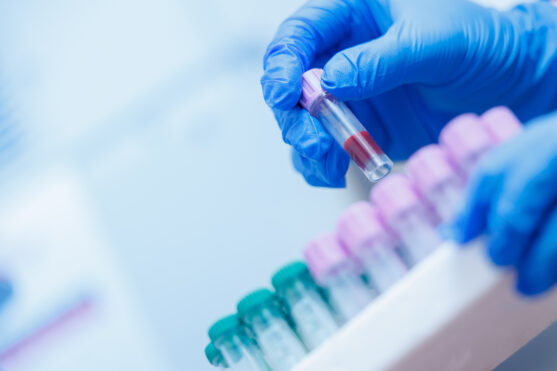
What the Growth of Veterinary Hematology Means for In-House Lab Equipment
In-house veterinary diagnostics are getting faster. A new generation of AI-driven hematology analyzers can now result a complete blood count in minutes, and that speed is changing expectations for the whole lab. While those analyzers run on whole blood and do not require a spun sample, chemistry, immunoassay, urine, and fecal testing all rely on a veterinary centrifuge. When the […]
Read More
Why Your Centrifuge Warranty Matters
When comparing laboratory centrifuges, it’s natural to focus on features like capacity, speed, tube compatibility, and cycle times. Those specifications help determine whether a centrifuge can support your workflow, but they’re only part of the picture. A warranty is worth evaluating just as carefully. It provides peace of mind if something goes wrong and offers […]
Read More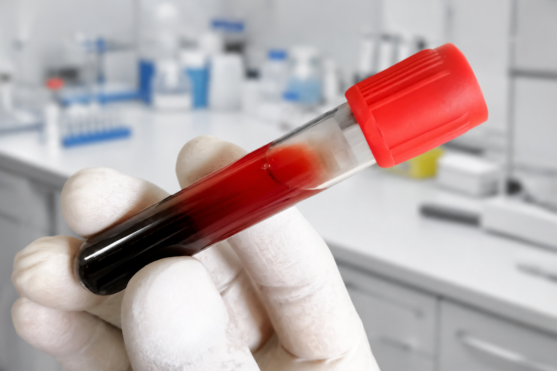
Does Centrifuging Cause Hemolysis? What the Evidence Shows
Hemolysis is one of the top reasons clinical specimens get rejected. Most labs assume the centrifuge is the reason why, but a single, properly run spin adds only a small amount of free hemoglobin to a specimen—far below the level at which a sample gets flagged as hemolyzed. Most hemolysis is set in motion before […]
Read More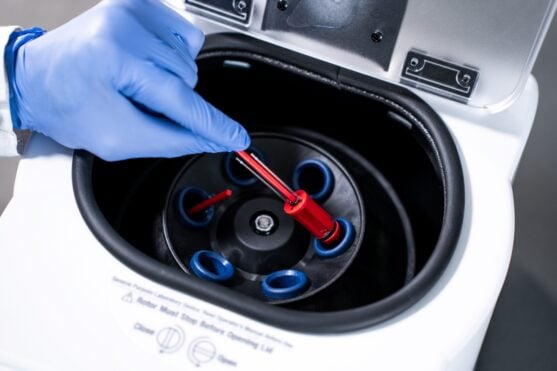
Microhematocrit Centrifuge for Veterinary Practices: What You Need and Why
A microhematocrit centrifuge is a compact, high-speed centrifuge purpose-built to spin sealed capillary tubes for direct measurement of packed cell volume (PCV). In a busy veterinary practice, it is one of the few in-house tests that delivers clinically actionable information in minutes from a sample volume small enough to draw from almost any patient. TLDR […]
Read More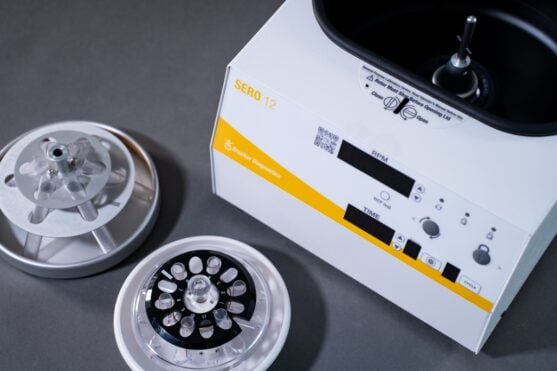
How the SERO 12 Replaces the Discontinued Sero-Fuge™
For years, the BD Sero-Fuge™ was the best-selling blood banking centrifuge in the world, and serology labs everywhere built their blood grouping, typing, cross matching, and cell washing routines around it. With the Sero-Fuge discontinued, those labs needed a replacement that keeps their validated workflows in place. The SERO 12 is that replacement. Drucker Diagnostics […]
Read More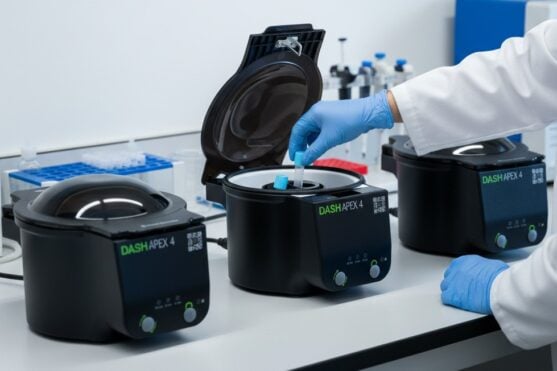
6 Ways to Cut Your Lab’s Turnaround Time by 20+ Minutes
Turnaround time (TAT) is one of the clearest measures of a lab’s performance, and it’s one of the first things clinicians notice when results are slow to arrive. Every minute a sample spends waiting is a minute a physician spends without the information they need to make a decision. For STAT samples coming out of […]
Read More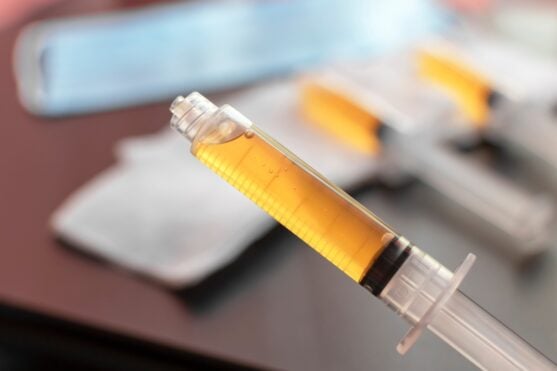
Centrifugation for PRP Preparation: Speeds, Protocols, and What Affects Platelet Yield
The quality of a platelet-rich plasma preparation is determined long before the syringe is drawn up. Centrifuge speed, spin duration, the number of spins, and a handful of pre-analytical variables all affect how many platelets end up in the final concentrate and how biologically active they are. This guide walks through what actually drives platelet […]
Read More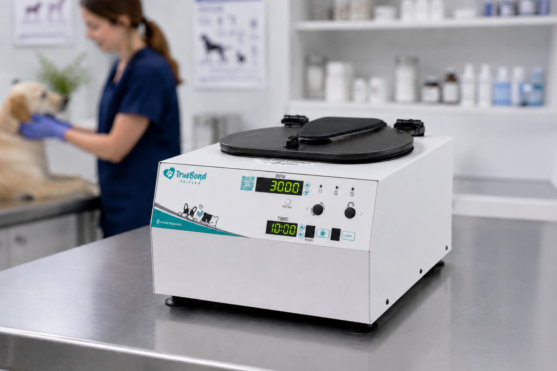
What to Look for When Buying a Veterinary Centrifuge for a Mixed-Animal Practice
A mixed-animal practice processes a wider variety of sample sizes and species in a typical week than a single-species clinic, and the centrifuge has to keep up. The right unit reduces friction across that variety; the wrong one creates it every day. The buying decision is less about top speed and more about whether the […]
Read More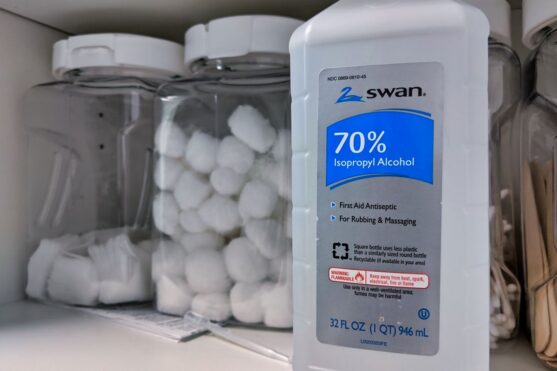
Centrifuge Cleaning and Disinfection: What Your Lab Needs to Know
A centrifuge is one of the hardest-working pieces of equipment in a clinical lab and one of the most overlooked when it comes to routine maintenance. Regular cleaning and disinfection isn’t just good practice. It directly affects centrifuge longevity, sample integrity, and the safety of everyone in the lab. This article covers why centrifuge cleaning […]
Read More