Related Articles & Resources
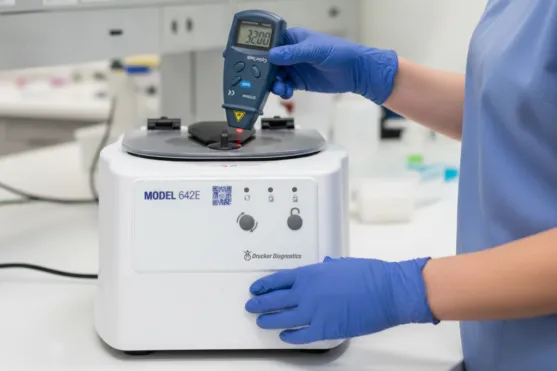
How Unreliable Centrifuges Kill Lab Throughput (And How to Fix It)
A well-functioning centrifuge runs quietly in the background, letting your team focus on patient care and higher-value work. But when it becomes unreliable, it transforms from an asset into a bottleneck that cascades through your entire operation. Quick Answer: How Does an Unreliable Centrifuge Impact Throughput? Unreliable centrifuges reduce lab throughput by forcing sample reruns, […]
Read More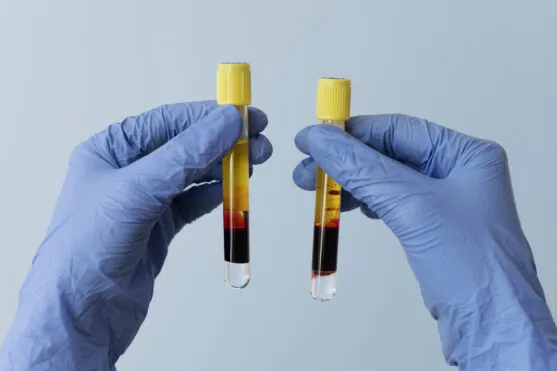
PRP vs PRF: Centrifugation Differences Explained
PRP and PRF both start with the same blood draw, but centrifugation protocols determine their fundamental differences. Spin speed, anticoagulant use, and timing create distinct products with different cell compositions, growth factor release patterns, and clinical applications. Understanding these centrifugation variables helps practitioners choose appropriate equipment and optimize preparation techniques. TLDR: PRP uses high-speed centrifugation […]
Read More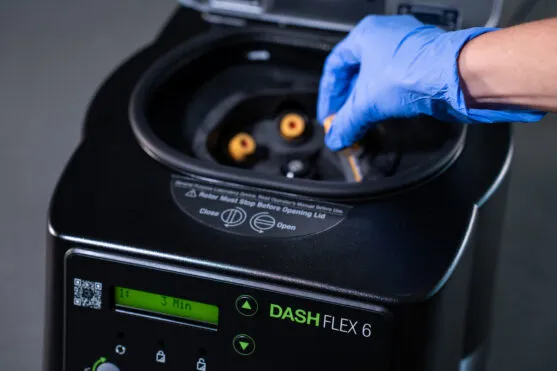
What to Do with Old Centrifuges: Disposal, Trade-In, and Replacement Options
Retiring lab centrifuges responsibly protects the environment while recovering equipment value. Proper handling prevents functional equipment from reaching landfills, recovers valuable materials through recycling, and ensures compliance with biosafety regulations. TLDR: Decontaminate and certify before any disposal or sale Specialized recyclers handle non-functional units and recover materials Plan replacement before failure to avoid workflow disruption […]
Read More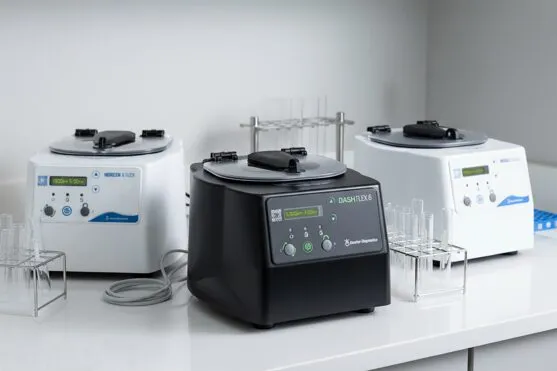
Types of Laboratory Centrifuges Explained
Lab managers and technicians often face confusion when selecting centrifuges because manufacturers classify them differently—some by speed, others by size, and still others by application. Understanding these classification systems helps you choose the right centrifuge for your specific lab workflow. TLDR: Laboratory centrifuges are classified by speed (low-speed up to 5,000 RPM, high-speed 15,000-30,000 RPM, […]
Read More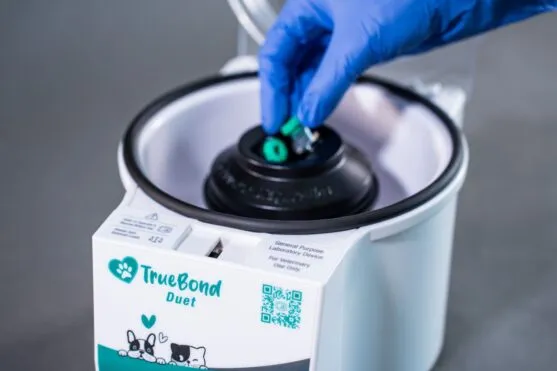
Best Veterinary Centrifuges for In-House Blood Testing
Choosing a veterinary centrifuge affects daily workflow efficiency, test accuracy, and your ability to deliver timely care. The right model handles your clinic’s complete sample mix—blood, urine, fecal, and microhematocrit—without requiring staff to juggle multiple rotors or hunt for the right adapter. TLDR Look for ready-to-use systems that include all necessary adapters and tube holders […]
Read More
Fisher Healthcare Awards Drucker Diagnostics 2025 Private Label Supplier of the Year
Pennsylvania-based centrifuge manufacturer recognized for excellence in partnership and product quality. PORT MATILDA, PA – FEBRUARY 2026 Drucker Diagnostics has been named Fisher Healthcare’s 2025 Private Label Supplier of the Year. The award, which honors suppliers who demonstrate excellence in their collaborative partnership, was presented at Fisher Healthcare’s annual National Sales Meeting on January 19-22, […]
Read More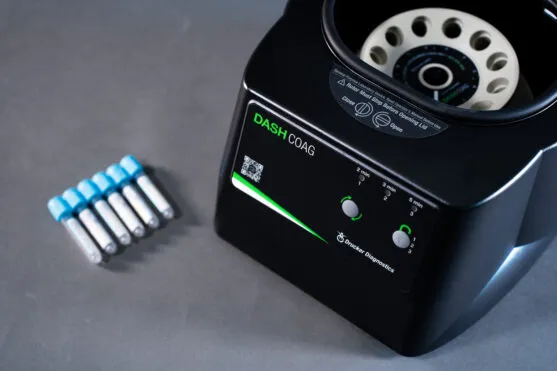
How Centrifugation Impacts Coagulation Testing
Coagulation tests guide critical decisions about bleeding disorders, anticoagulant dosing, and surgical risk. The accuracy of PT, APTT, and fibrinogen measurements depends on proper sample preparation, and centrifugation is the step where most errors occur. This guide explains how centrifugation variables affect coagulation results and which protocols deliver reliable outcomes. TLDR Why does centrifugation matter […]
Read More
What’s the Best-Selling Centrifuge for Hospital Labs? Top Clinical Models Compared
Quick Answer The Drucker Diagnostics 642E is the world’s best-selling clinical centrifuge, trusted for over 30 years due to exceptional durability and simplicity. However, the “best” choice depends on your workflow—routine processing, STAT testing, or high-throughput needs each favor different models. TLDR: Top Hospital Lab Centrifuges Best for Routine Clinical Work: Drucker Diagnostics 642E Best […]
Read More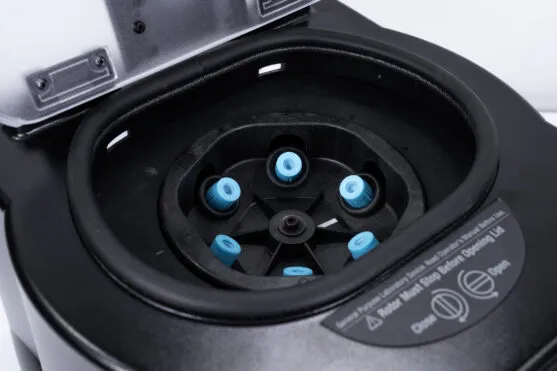
How Many Centrifuges Does Your Lab Need? A Capacity Planning Guide
When planning laboratory capacity, one of the most consequential equipment decisions you’ll make is determining centrifuge requirements. Yet most labs approach this question backwards—calculating sample volume and then shopping for the largest single centrifuge they can afford, assuming bigger is always better for high-volume operations. TLDR: Determining how many centrifuges your lab needs starts with […]
Read More