Related Articles & Resources
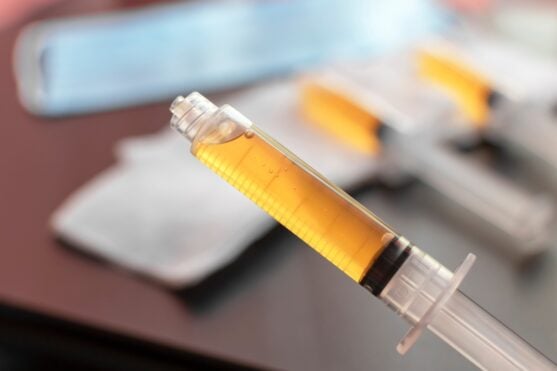
Centrifugation for PRP Preparation: Speeds, Protocols, and What Affects Platelet Yield
The quality of a platelet-rich plasma preparation is determined long before the syringe is drawn up. Centrifuge speed, spin duration, the number of spins, and a handful of pre-analytical variables all affect how many platelets end up in the final concentrate and how biologically active they are. This guide walks through what actually drives platelet […]
Read More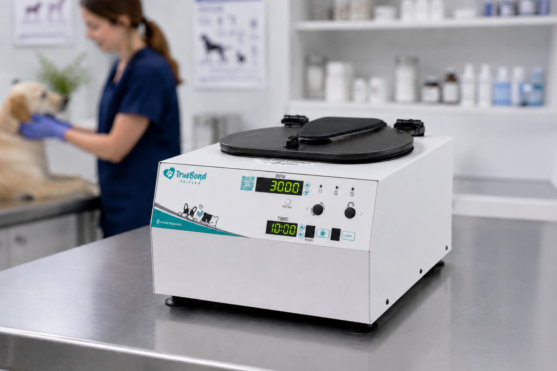
What to Look for When Buying a Veterinary Centrifuge for a Mixed-Animal Practice
A mixed-animal practice processes a wider variety of sample sizes and species in a typical week than a single-species clinic, and the centrifuge has to keep up. The right unit reduces friction across that variety; the wrong one creates it every day. The buying decision is less about top speed and more about whether the […]
Read More
Centrifuge Cleaning and Disinfection: What Your Lab Needs to Know
A centrifuge is one of the hardest-working pieces of equipment in a clinical lab and one of the most overlooked when it comes to routine maintenance. Regular cleaning and disinfection isn’t just good practice. It directly affects centrifuge longevity, sample integrity, and the safety of everyone in the lab. This article covers why centrifuge cleaning […]
Read More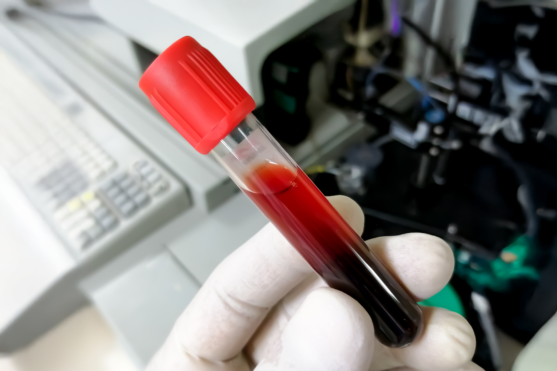
Can Improper Centrifugation Invalidate Test Results?
Yes, and it happens more often than most laboratories recognize. Centrifugation sits at the boundary between specimen collection and analysis, which means errors there are classified as preanalytical and are often invisible by the time a result leaves the laboratory. The sample looks processed. The analyzer ran. The number printed. But if the centrifuge step […]
Read More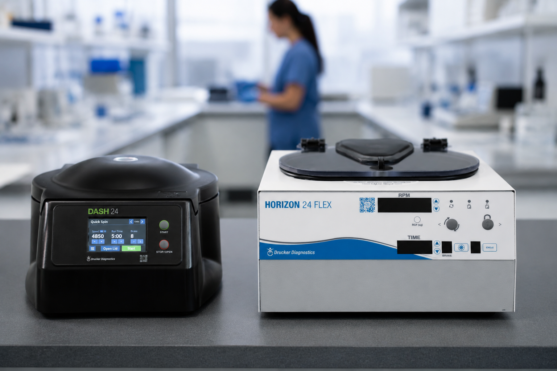
Which Drucker Diagnostics 24-Place Centrifuge is Right For Your Lab?
Drucker Diagnostics offers a 24-place centrifuge for clinical labs that need to process high sample volumes in a compact footprint. With the DASH Flex 24 now discontinued, the two current options are the all-new DASH 24 STAT centrifuge and the HORIZON 24 FLEX routine centrifuge. While all three spin samples using a horizontal rotor, they […]
Read More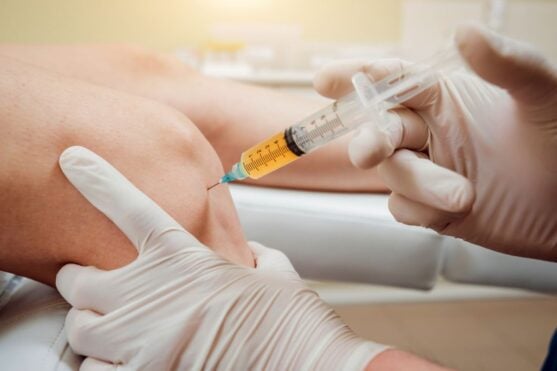
PRP, PRF, and Exosomes: Where Centrifugation Fits in the Future of Regenerative Medicine
Regenerative medicine is moving fast, and the terminology is moving faster. In this article, we take a look at where PRP, PRF, and exosomes stand, and why the centrifuge remains the critical variable as protocols become more exacting. TLDR PRP and PRF are both prepared by centrifuging a patient’s own blood; the key differences are […]
Read More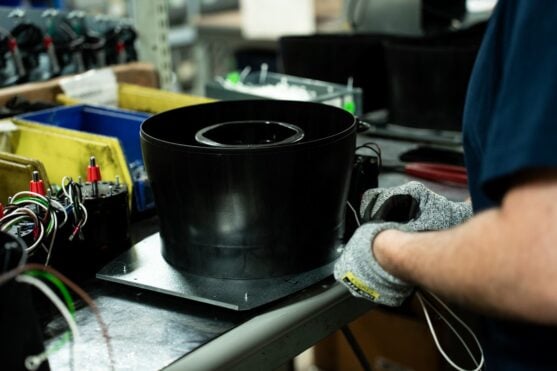
The Centrifuge Experts: Why Depth of Focus Matters in Medical Equipment
When a lab needs a centrifuge, there’s no shortage of options. Many equipment manufacturers offer centrifuges as part of a broader catalog alongside incubators, analyzers, refrigeration equipment, and more. Initially that breadth can seem like an advantage, but for the laboratories and healthcare professionals who depend on these instruments every day, there’s a compelling case […]
Read More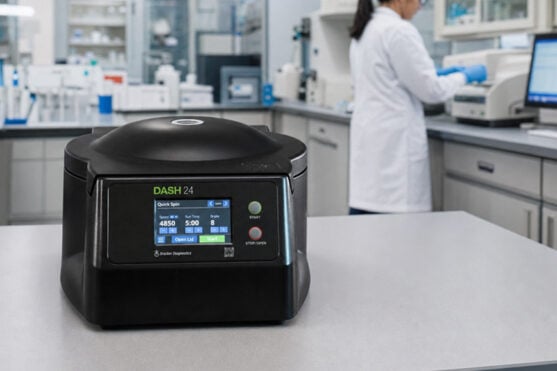
How to Use the DASH 24 Centrifuge: A Guide to Clinical and Research Applications
If your lab is using multiple centrifuge models to manage all of your applications, you’re dealing with the operational overhead that comes with it: separate validation records and SOPs, rotor inventories, and competency requirements for every operator on every model. The all-new DASH 24 STAT centrifuge offers a solution. With a 24-tube capacity, maximum speed […]
Read More
Drucker Diagnostics Expands European Service Capabilities Through Partnership with Poly Temp Scientific
Authorized service provider agreement strengthens Drucker’s commitment to quality and customer support across the EU and UK. PORT MATILDA, PA – MAY 2026 Drucker Diagnostics, one of the world’s leading manufacturers of clinical, veterinary, and regenerative medicine centrifuges, is expanding its European service capabilities through a new authorized service provider partnership with Poly Temp Scientific, […]
Read More