Related Articles & Resources
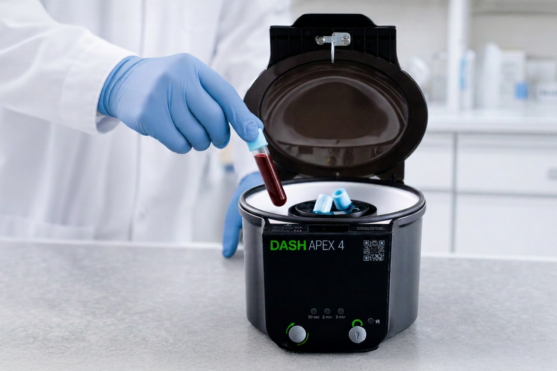
Replacing the StatSpin® Express 2 with the DASH Apex 4
StatSpin products are no longer available for purchase, which means clinical labs still operating a StatSpin® Express 2 will need to find a replacement before their current unit reaches end of service. Continuing to operate an unsupported centrifuge increases the risk of unexpected repairs, unavailable parts, or workflow disruptions that can affect sample processing and […]
Read More
What the Growth of Veterinary Hematology Means for In-House Lab Equipment
In-house veterinary diagnostics are getting faster. A new generation of AI-driven hematology analyzers can now result a complete blood count in minutes, and that speed is changing expectations for the whole lab. While those analyzers run on whole blood and do not require a spun sample, chemistry, immunoassay, urine, and fecal testing all rely on a veterinary centrifuge. When the […]
Read More
Why Your Centrifuge Warranty Matters
When comparing laboratory centrifuges, it’s natural to focus on features like capacity, speed, tube compatibility, and cycle times. Those specifications help determine whether a centrifuge can support your workflow, but they’re only part of the picture. A warranty is worth evaluating just as carefully. It provides peace of mind if something goes wrong and offers […]
Read More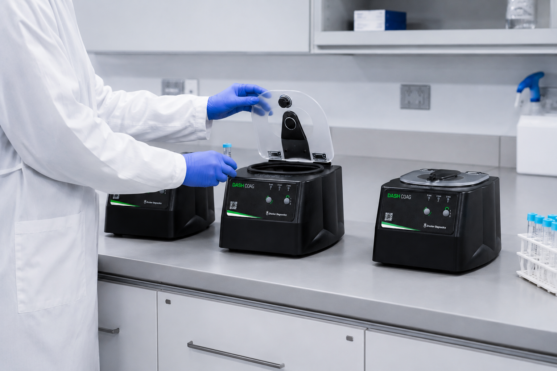
Optimize Your Coagulation Workflow with the Right Centrifuge Setup
Purchasing a new coagulation analyzer? Consider pairing it with a centrifuge array to streamline your workflow right from the start. The correct setup can significantly reduce turnaround times, eliminate manual batching, and keep specimens moving even during peak volume periods. At Drucker Diagnostics, we’ve designed our centrifuges specifically for coagulation workflows. Here’s how to find […]
Read More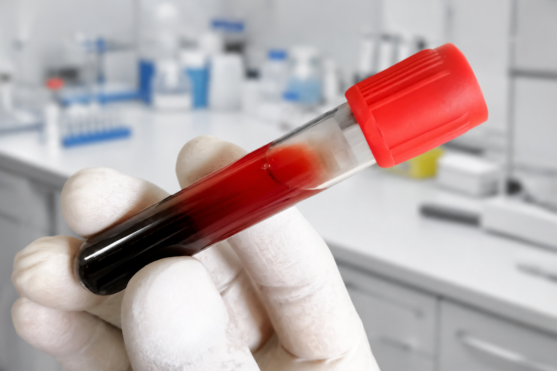
Does Centrifuging Cause Hemolysis? What the Evidence Shows
Hemolysis is one of the top reasons clinical specimens get rejected. Most labs assume the centrifuge is the reason why, but a single, properly run spin adds only a small amount of free hemoglobin to a specimen—far below the level at which a sample gets flagged as hemolyzed. Most hemolysis is set in motion before […]
Read More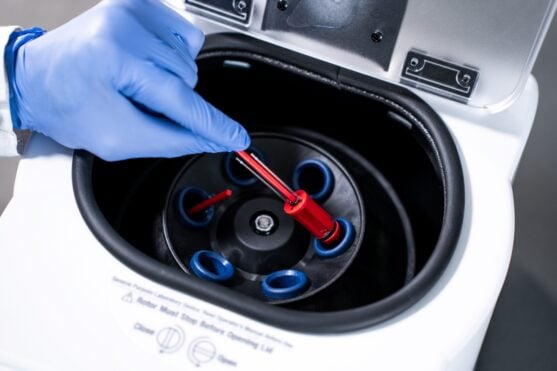
Microhematocrit Centrifuge for Veterinary Practices: What You Need and Why
A microhematocrit centrifuge is a compact, high-speed centrifuge purpose-built to spin sealed capillary tubes for direct measurement of packed cell volume (PCV). In a busy veterinary practice, it is one of the few in-house tests that delivers clinically actionable information in minutes from a sample volume small enough to draw from almost any patient. TLDR […]
Read More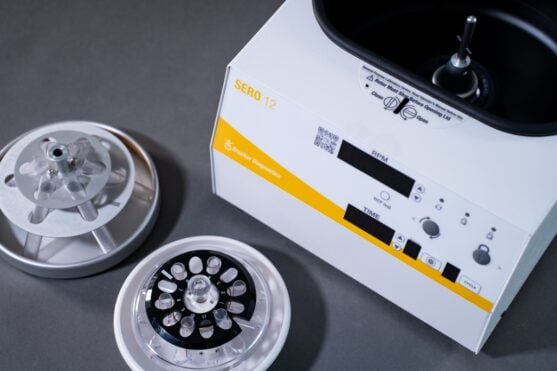
How the SERO 12 Replaces the Discontinued Sero-Fuge™
For years, the BD Sero-Fuge™ was the best-selling blood banking centrifuge in the world, and serology labs everywhere built their blood grouping, typing, cross matching, and cell washing routines around it. With the Sero-Fuge discontinued, those labs needed a replacement that keeps their validated workflows in place. The SERO 12 is that replacement. Drucker Diagnostics […]
Read More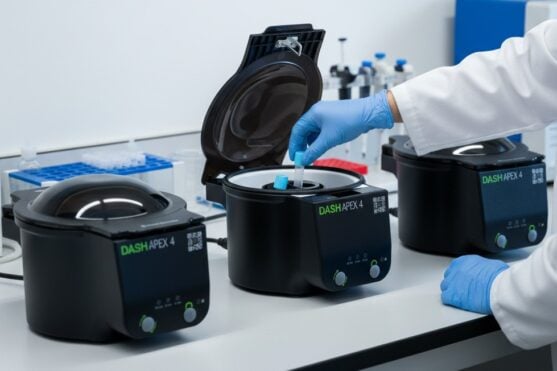
6 Ways to Cut Your Lab’s Turnaround Time by 20+ Minutes
Turnaround time (TAT) is one of the clearest measures of a lab’s performance, and it’s one of the first things clinicians notice when results are slow to arrive. Every minute a sample spends waiting is a minute a physician spends without the information they need to make a decision. For STAT samples coming out of […]
Read More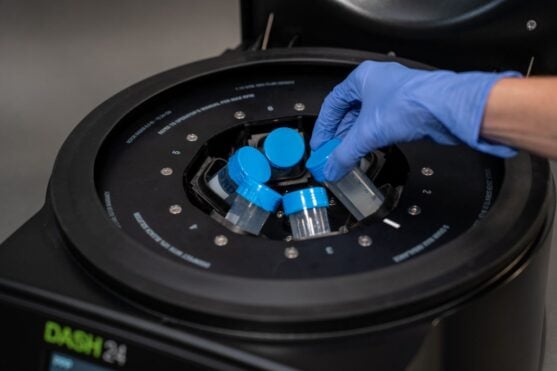
Drucker vs. the Competition: What Sets the DASH 24 Apart From Other High-Capacity Centrifuges
When a clinical lab evaluates a new 24-place centrifuge, the spec sheet is only part of the picture. Maximum speed matters, and so does the range of tubes a single centrifuge can spin, what comes in the box, and the service team behind it. This guide compares the Drucker Diagnostics all-new DASH 24 with three […]
Read More