Veterinary
Best Veterinary Centrifuges for In-House Blood Testing
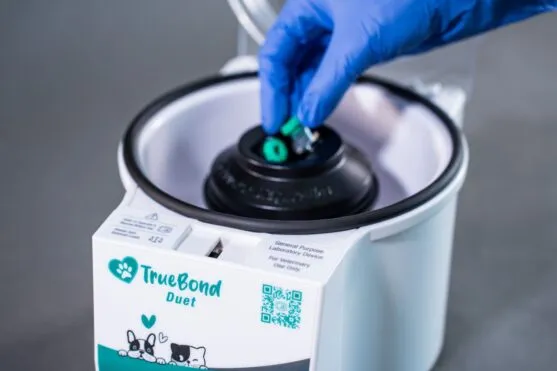
Choosing a veterinary centrifuge affects daily workflow efficiency, test accuracy, and your ability to deliver timely care. The right model handles your clinic’s complete sample mix—blood, urine, fecal, and microhematocrit—without requiring staff to juggle multiple rotors or hunt for the right adapter. TLDR Look for ready-to-use systems that include all necessary adapters and tube holders […]
Read More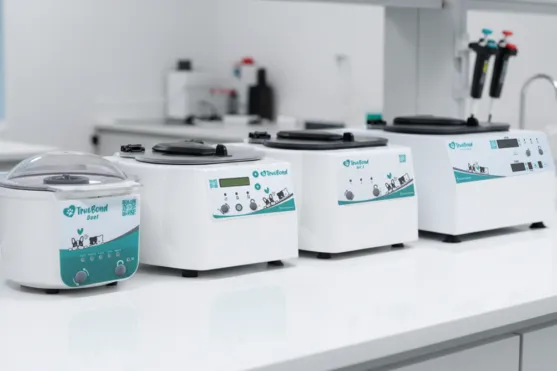
How to Choose the Right Centrifuge Capacity for Your Veterinary Practice
Buying a centrifuge with too little capacity creates workflow bottlenecks. Buying too much capacity wastes money and counter space. The right choice comes from calculating your actual daily sample volume, not theoretical maximums. TLDR: Calculate average daily samples from the past 3-6 months, not peak theoretical volume 4-6 tube capacity works for practices processing under […]
Read More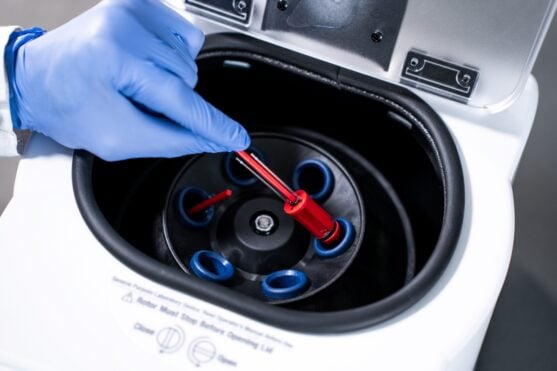
Microhematocrit Centrifuge for Veterinary Practices: What You Need and Why
A microhematocrit centrifuge is a compact, high-speed centrifuge purpose-built to spin sealed capillary tubes for direct measurement of packed cell volume (PCV). In a busy veterinary practice, it is one of the few in-house tests that delivers clinically actionable information in minutes from a sample volume small enough to draw from almost any patient. TLDR […]
Read More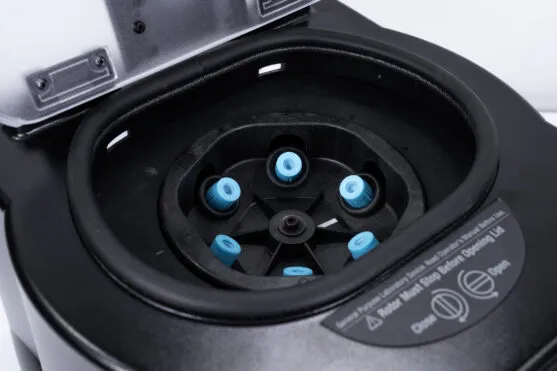
How Many Centrifuges Does Your Laboratory Need? A Capacity Planning Guide
When planning laboratory capacity, one of the most consequential equipment decisions you’ll make is determining centrifuge requirements. Yet most laboratories approach this question backwards—calculating sample volume and then shopping for the largest single centrifuge they can afford, assuming bigger is always better for high-volume operations. TLDR: Determining how many centrifuges your laboratory needs starts with […]
Read More