
Centrifuge Cleaning and Disinfection: What Your Lab Needs to Know
Published June 11, 2026A centrifuge is one of the hardest-working pieces of equipment in a clinical lab and one of the most overlooked when it comes to routine maintenance. Regular cleaning and disinfection isn’t just good practice. It directly affects centrifuge longevity, sample integrity, and the safety of everyone in the lab.
This article covers why centrifuge cleaning matters, how often to do it, and the specific protocols recommended for Drucker centrifuges.
Why Cleaning Matters
Centrifuges are exposed to biological specimens on a regular basis. Spills, aerosols, and tube breakage can introduce contaminants into the rotor chamber, onto accessories, and across exterior surfaces. Left unaddressed, those contaminants can cause corrosion and premature degradation of components and shorten the life of a significant lab investment.
Beyond longevity, cleaning and decontamination is a necessary safeguard any time a centrifuge, rotor, or accessory will be handled for maintenance, repair, or transfer. Establishing a consistent cleaning routine protects both your equipment and the people working with it.
How Often Should You Clean Your Centrifuge?
At minimum, cleaning and disinfection is recommended every six months as part of routine maintenance.
Clean immediately whenever:
- A tube breaks inside the rotor chamber
- A spill occurs during loading or unloading
- Visible contamination is present on any surface
Contaminants must be removed promptly. Delaying cleanup after a spill or breakage increases the risk of corrosion and component damage.
Approved Cleaning Solutions
Using the wrong cleaning agent can damage your centrifuge and void your warranty. Only the following solutions are approved for disinfecting Drucker centrifuges and their accessories:
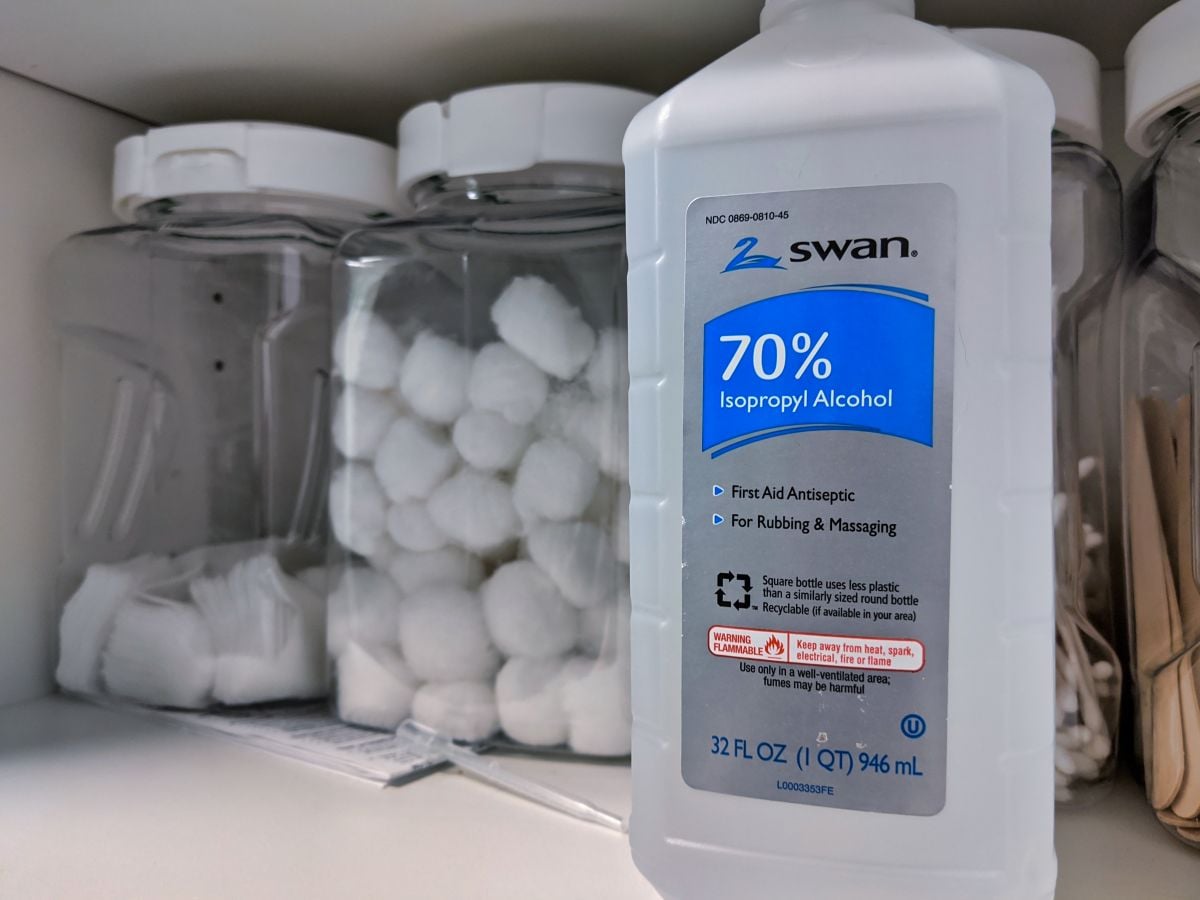
- Isopropyl alcohol
- 10% bleach solution (5,500 PPM)
Before using any cleaning or decontamination method not listed here, contact Drucker Diagnostics to confirm it is safe for use with your instrument.
The following are not approved and should never be used:
- TBQ germicidal products. These can cause damage to the centrifuge and will void the warranty
- Fully or partially halogenated hydrocarbons, ketones, esters, ethers, benzyls, ethyl benzenes, or any other chemicals not prescribed by the manufacturer. These can damage the rotor chamber, rotor, tube holders, accessories, and centrifuge exterior, and will void the warranty
Step-by-Step Cleaning Protocol
Before You Begin
- Unplug the centrifuge. Always disconnect power before cleaning.
- Put on appropriate PPE (gloves and eye protection at minimum, consistent with your lab’s standard biosafety practices).
Cleaning and Disinfecting
- Apply your approved cleaning solution (isopropyl alcohol or 10% bleach) using a cleaning wipe or a dampened cloth.
- Do not spray or pour cleaning solution directly onto or into the centrifuge. Direct application can force liquid into areas that should not be exposed to moisture.
- Do not saturate or submerge the centrifuge in water or any cleaning solution. This will cause damage, create a safety risk, and void the warranty.
- Avoid disinfection products that leave residues. Residues can compromise the visual clarity of the touchscreen and interfere with normal operation.
After Cleaning
- Dry all surfaces immediately. Do not allow cleaning solution to remain on any surface. Thorough drying after every cleaning session is essential.
A Note for Lab Managers
Building centrifuge cleaning into your lab’s standard operating procedures with documented frequency, approved products, and assigned responsibility reduces the chance that routine maintenance gets overlooked during busy periods. It also ensures that staff handling the instrument for any reason, including maintenance or transfer, are following a consistent decontamination protocol.
For questions about centrifuge maintenance, approved accessories, or service support, contact Drucker Diagnostics directly by phone at 1-866-265-1486 (U.S. only), or email [email protected].